- The Bitcoin Compass 🧭
- Posts
- Today's Top Crypto Headlines:
Today's Top Crypto Headlines:
CME Trading Outage | IMF Tokenization Warning | Visa Expands Stablecoin Settlement | S&P Downgrades Tether and more...
In partnership with

Good Morning Crypto Enthusiasts!
Glad to have you back for another edition of the UseTheBitcoin.com newsletter.

CME Trading Halt Sparks Outrage: CME halted trading for nearly 10 hours due to a data-center cooling failure, freezing positions and stopping price discovery. The outage happened just before silver futures neared record highs, fueling manipulation accusations.
IMF Warns on Tokenization Risks: The IMF cautioned that tokenized markets, while efficient, may amplify volatility and trigger flash-crash scenarios. Automated systems and smart-contract chains could cause cascading failures under stress.
Visa Expands Global Stablecoin Rails: Visa partnered with Aquanow to bring USDC settlement to regions across Europe, the Middle East, and Africa. The upgrade enables cheaper, 24/7 cross-border settlement for banks and fintechs.
💡Feature of the Day - S&P Downgrades Tether’s USDT: S&P cut USDT’s stability rating over concerns about reserve quality and exposure to volatile assets. Tether disputed the analysis, noting strong use cases and Treasury backing.
All this and more in today’s headlines!
The Smartest Free Crypto Event You’ll Join This Year

Curious about crypto but still feeling stuck scrolling endless threads? People who get in early aren’t just lucky—they understand the why, when, and how of crypto.
Join our free 3‑day virtual summit and meet the crypto experts who can help you build out your portfolio. You’ll walk away with smart, actionable insights from analysts, developers, and seasoned crypto investors who’ve created fortunes using smart strategies and deep research.
No hype. No FOMO. Just the clear steps you need to move from intrigued to informed about crypto.
📰 News Highlights:
The Chicago Mercantile Exchange faced a major disruption when trading was halted for nearly 10 hours due to a cooling problem at the CyrusOne data center in Illinois. The outage locked traders in open positions, prevented new trades, and stopped price discovery during a critical window.
The timing, Thanksgiving Day in Asia with reduced volume, fueled accusations of market manipulation from frustrated traders online. Some pointed out that trading stopped just minutes before silver futures approached an all-time high, adding to suspicions.
Even after restoration, backlash continued as market participants questioned how a single technical issue could disable the world’s largest derivatives exchange.
Stock trader Timothy Bozman and several others argued the CME failed in transparency and system resilience. The incident revealed infrastructure vulnerabilities in global financial markets and triggered renewed debate over centralized market structure, reliability, and contingency preparedness.
The IMF released a new explainer warning that tokenized markets, while faster and cheaper, may also amplify volatility and open the door to flash crashes. The organization explained that programmable finance eliminates intermediaries and enables near-instant settlement, but these efficiencies come with new systemic risks. Automated trading, layered smart contracts, and fragmented platforms could trigger cascading failures during stressed market conditions.
The IMF emphasized that governments will intervene as tokenization becomes more mainstream, noting that past monetary shifts, such as Bretton Woods and the move to fiat currencies, were heavily shaped by government action.
As tokenized markets grow into a multibillion-dollar sector with players like BlackRock’s BUIDL fund, regulators are preparing stronger oversight frameworks. The IMF concluded that tokenization’s benefits will evolve under strict supervision and active state involvement.
Visa announced a new partnership with crypto infrastructure provider Aquanow to expand stablecoin settlement across Central and Eastern Europe, the Middle East, and Africa. The integration allows banks and payment firms in the region to settle transactions using approved stablecoins like USDC, reducing costs and enabling continuous 24/7 settlement. Visa said demand for faster cross-border payments is rising sharply as institutions seek modernized financial rails.
The move follows a broader surge in global stablecoin adoption, with institutions like Deutsche Börse integrating euro-pegged stablecoins into custody and settlement systems.
Regulators, meanwhile, are still determining how to classify stablecoin risk in banking, with Basel and Bank of England officials signaling that updated frameworks are likely. As major jurisdictions align their policies, stablecoins continue moving from crypto-native tools to core financial infrastructure.
💡 Feature of the Day:
S&P Global downgraded Tether’s USDT to its lowest stability rating, citing concerns about reserve quality and lack of robust auditing. The agency pointed to Tether’s exposure to Bitcoin, gold, loans, and other volatile assets that could compromise peg stability during market declines.
While 75% of USDT reserves are in low-risk Treasurys and short-term instruments, S&P said the remaining portion raises meaningful risk. Tether disputed the report as misleading, saying it ignores USDT’s real-world utility and resilience.
Despite the downgrade, Tether continues behaving like a global financial powerhouse. The company is now the 17th largest holder of US Treasurys, with over $112 billion in securities, surpassing nations like Germany and Saudi Arabia.
It has also accumulated 116 tons of gold, prompting analysts to say Tether increasingly resembles a central bank. The rating comes amid a pivotal regulatory year for stablecoins in the US and abroad.
😂 Crypto Meme of the Day:
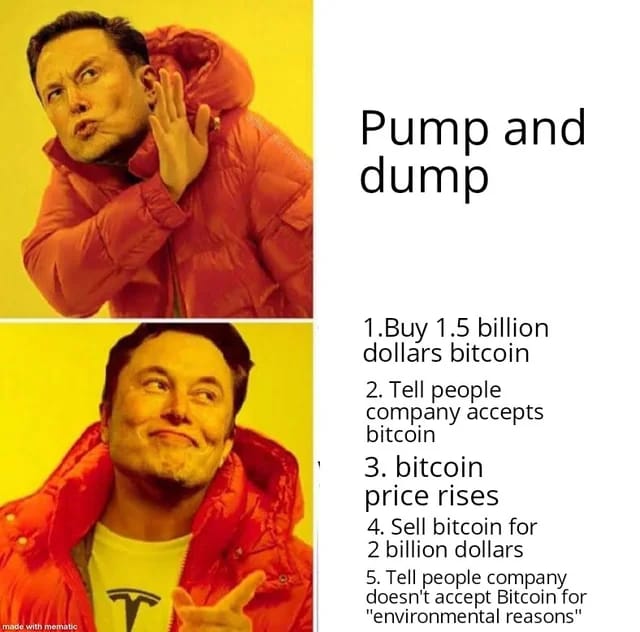
Meme of the day provided by @Sgt_Reznov84
And that’s it for this today.
See you all tomorrow’s edition!
Jonathan Gibson
UseTheBitcoin.com